
Why Craftsman Homes Deserve a Thoughtful Approach to Remodeling
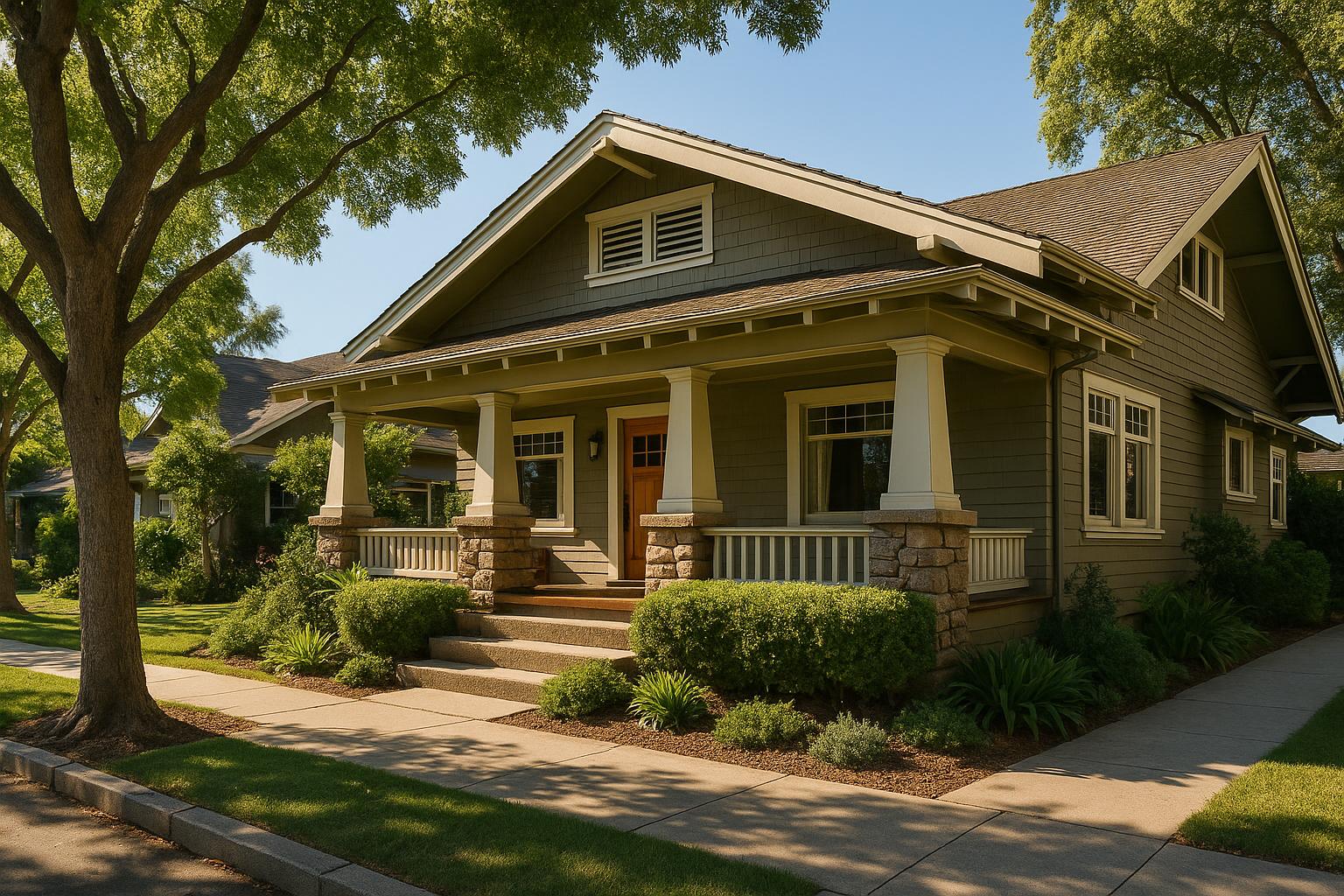
Walk through neighborhoods like North Park, Kensington, Normal Heights, or Mission Hills and you'll notice something right away — San Diego has an incredible collection of Craftsman-style homes. Built primarily between 1905 and 1930, these bungalows are known for their low-pitched rooflines, wide front porches, exposed rafters, and handcrafted woodwork that you simply don't find in modern construction.
These homes have serious character, but they also come with serious questions when it's time to remodel. Can you open up the floor plan without losing the home's charm? Are there permit considerations for older homes? How do you modernize a kitchen or bathroom while respecting the original design?
At Iron Gate Builders, we've worked on many of these vintage homes throughout San Diego, and we've learned that the best results come from balancing preservation with modern livability. Here's what you should know before you start.
Understand What Makes Your Craftsman Home Special
Before you tear anything out, take stock of what makes your home worth preserving. Craftsman homes were built during an era that valued handcraftsmanship over mass production. Common features include:
- Built-in cabinetry and bookshelves — often found in living rooms and dining rooms
- Original hardwood floors — typically oak or fir, sometimes hidden under carpet or vinyl
- Detailed woodwork — including crown molding, wainscoting, and window casings
- Tapered porch columns and stone or brick accents on the exterior
- Leaded or stained glass windows
A good remodeling plan identifies which original features to keep, which to restore, and which areas of the home can be updated without compromising the overall aesthetic. Stripping a Craftsman home of all its character during a renovation is one of the most common regrets homeowners have — and it can actually reduce resale value in San Diego's competitive housing market.
Know the Permit and Historic Overlay Considerations
Some Craftsman homes in San Diego fall within designated historic districts or are individually listed on the city's Historical Resources Register. If your home is in one of these categories, there may be additional review requirements before you can make changes to the exterior — and sometimes even to significant interior elements.
Neighborhoods like Mission Hills and parts of North Park have historic overlay zones where proposed changes may need to go through the city's Historical Resources Board for approval. This doesn't mean you can't remodel, but it does mean you need to plan for a potentially longer permitting timeline.
Even if your home isn't in a designated historic district, pulling the right permits is essential. Older homes often have outdated electrical, plumbing, and structural systems that need to be brought up to current code during a renovation. A knowledgeable contractor will help you navigate these requirements so you don't run into surprises mid-project.
Modernizing the Kitchen Without Losing the Character
The kitchen is almost always the first room Craftsman homeowners want to update, and for good reason. Original Craftsman kitchens were small, utilitarian spaces — very different from the open, gathering-friendly kitchens we use today.
Here are a few strategies that work well:
- Open the kitchen to an adjacent room carefully. Many Craftsman floor plans have a small dining room next to the kitchen separated by a load-bearing wall. With proper structural engineering, that wall can often be partially or fully removed to create a more open layout.
- Choose Shaker-style cabinetry. The clean lines and simple panel design of Shaker cabinets complement the Craftsman aesthetic beautifully without looking dated.
- Incorporate period-appropriate details. Subway tile backsplashes, soapstone or butcher block countertops, and bin-pull hardware all feel at home in a Craftsman kitchen.
- Upgrade the infrastructure. Rewiring for modern appliances, adding proper ventilation, and updating plumbing are all critical behind-the-scenes improvements that make the kitchen function as well as it looks.
Bathroom Remodeling in an Older Home
Craftsman-era bathrooms tend to be small, with original hex tile floors, pedestal sinks, and cast-iron tubs. Some homeowners love these vintage details and want to preserve them. Others are ready for a complete overhaul.
Either approach can work, but there are a few things to keep in mind:
- Plumbing may need to be replaced. Galvanized steel pipes were standard in this era and are often corroded or restricted after nearly a century of use. Replacing them with copper or PEX is a smart investment during any bathroom remodel.
- Waterproofing is non-negotiable. Older homes often lack the waterproofing membranes and proper drainage systems that modern building codes require. This is especially important in shower and tub surrounds.
- You can blend old and new. A freestanding soaking tub, classic hex floor tile, and modern frameless glass shower enclosure can coexist beautifully in a Craftsman bathroom.
Structural Surprises to Prepare For
One of the realities of remodeling any home that's 80 to 120 years old is that you may encounter unexpected conditions once walls are opened up. Common discoveries in San Diego Craftsman homes include:
- Knob-and-tube wiring — an outdated electrical system that should be replaced for safety
- Inadequate or missing insulation
- Foundation issues — many Craftsman bungalows sit on raised foundations that may have shifted or deteriorated over time
- Previous unpermitted work — additions or modifications made by past owners without proper permits
None of these are deal-breakers, but they do underscore the importance of working with a remodeling contractor who has experience with older homes. A thorough pre-construction assessment helps you budget accurately and avoid costly change orders.
Adding Space the Right Way
Many Craftsman homes in Hillcrest, Kensington, and Normal Heights sit on generous lots relative to the home's footprint, which means there's often room to add square footage. Popular options include:
- Rear additions that extend the kitchen or add a family room
- Second-story additions for additional bedrooms or a primary suite
- Accessory dwelling units (ADUs) in the backyard — a popular choice in San Diego given recent state legislation making ADUs easier to build
The key with any addition is designing it so it looks like it belongs with the original structure. Matching roof pitches, siding materials, and window styles goes a long way toward creating a cohesive result.
Choosing the Right Remodeling Partner
Remodeling a Craftsman home is deeply rewarding, but it requires a contractor who understands both the construction techniques of the era and the expectations of today's homeowners. Look for a team that:
- Has documented experience working on older homes
- Communicates clearly about timelines, budgets, and potential challenges
- Pulls all necessary permits and works with inspectors proactively
- Respects the home's original character while delivering modern functionality
At Iron Gate Builders, we love working on San Diego's Craftsman homes because every project tells a story. Our goal is to help homeowners write the next chapter — one that honors what came before while making the home work perfectly for how they live now.
If you're considering a remodel on your Craftsman bungalow, we'd love to talk through your ideas. Reach out to start a conversation about what's possible.